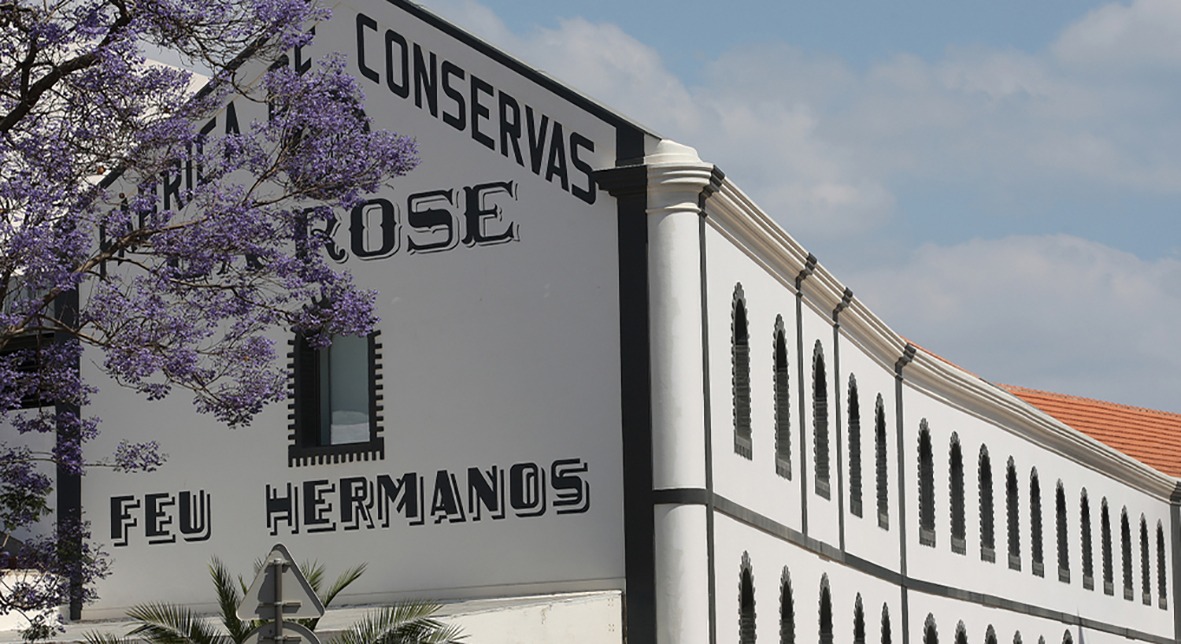
A cultural platform, open to all, a nacional and international reference in the context of the canning industry. A multi vitamin cultural infusion for total brain nutrition. Do not plan you visit, just keep visiting! You don`t even need a ticket...
CONSERVAS DE PORTUGAL Digital Museum and Research Platform of the Portuguese Canning Industry
Conservas de Portugalis an independent digital museum and research platform dedicated to the history of the Portuguese canning industry.
The project brings together a large and growing body of material, including images, printed documents, books, technical publications, and archival records of historical, scientific, and cultural relevance.
All content is made available online and is permanently accessible.
At its core, the platform is structured around interconnected datasets — including brands, companies, and packaging — allowing users to explore relationships between industrial actors, production, design, and commercial identity over time.
In addition to these structured datasets, Conservas de Portugal brings together a wide range of documentary sources supporting research into industrial organisation, fishing activity, export markets, technological development, and the broader history of the canning industry.
Unlike many virtual museums, the project is not based on a single institutional collection. It is an independent initiative that brings together material from multiple sources, including public institutions, private collections, and its own ongoing research and documentation work.
This combination of structured data and primary sources makes Conservas de Portugal a resource for research and comparative analysis of the Portuguese canning industry.
The project is based in Setúbal, one of Portugal’s major historical centres of the canning industry.
We thank all the institutions, collectors, researchers, collaborators, and contributors who have helped make this work possible.
We invite you to explore the archive and use its resources according to your own research interests.
Key Research Areas
Portuguese canning industry (19th–20th century)
Industrial organisation and corporatism
Sardine fisheries and processing
Packaging and visual culture
Trade and export networks
The platform is organised around three core datasets:
Brands — more than 3,400 brands identified, ranging from Portuguese brands to foreign brands produced in Portugal.
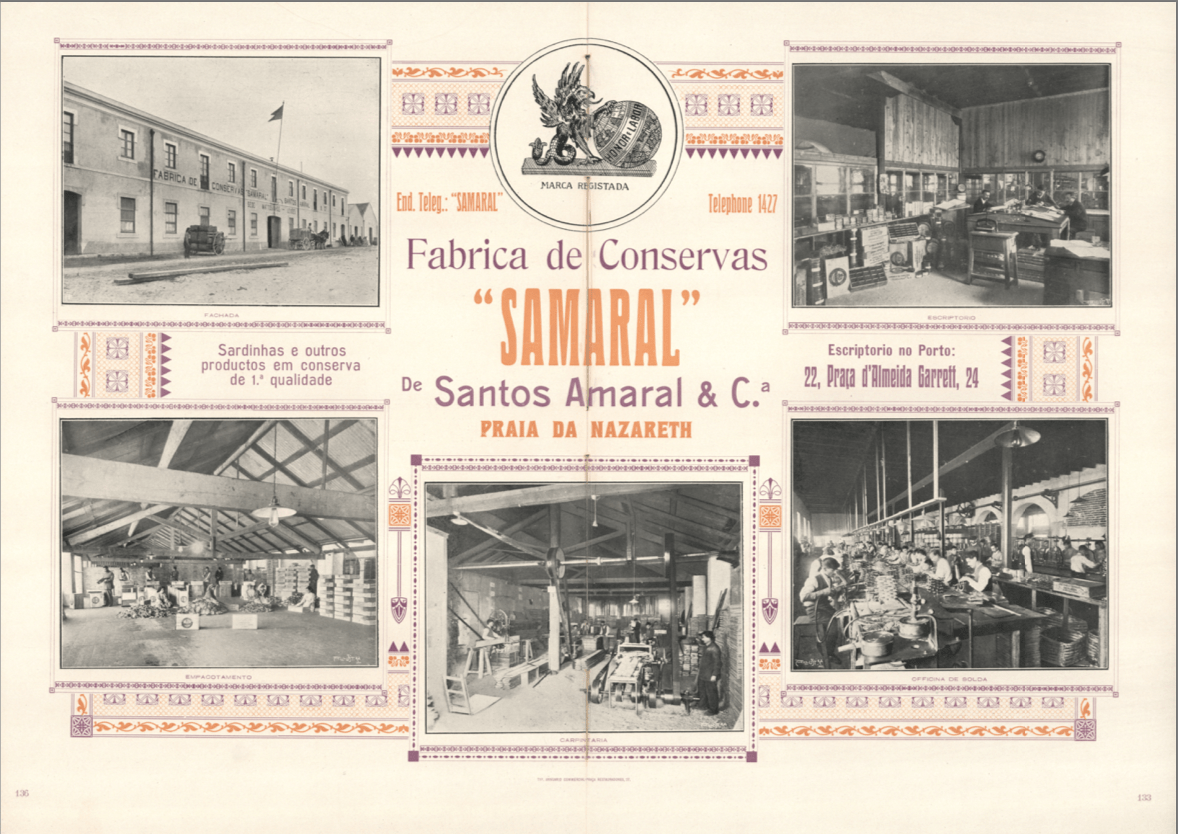
Companies — more than 2,000 Portuguese companies identified, including packers of canned fish in salt, packers of canned fish in olive oil, exporters and distributors of canned fish, can manufacturers, lithographers, printers, and other businesses connected with the canning industry.
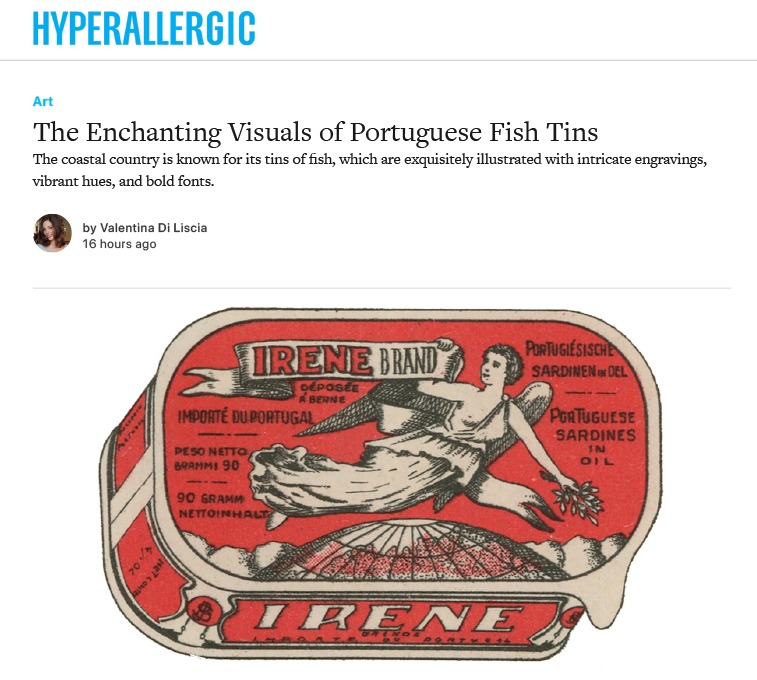
Packaging — more than 4,000 labels and cans, organised by brand.
The archive contains more than 40,000 published images.
These datasets are interconnected and linked to archival material and historical documentation, allowing brands, companies, packaging and documentary sources to be explored in relation to one another.
Research and collaboration Conservas de Portugal is open to collaboration with researchers, students, and academic institutions. We are available to contribute to research projects, lectures, seminars, and academic events related to the history of the canning industry, food systems, and industrial heritage. For enquiries, please contact: investigacao@conservasdeportugal.com
What`s on: online, it’s your trackpad that runs the museum
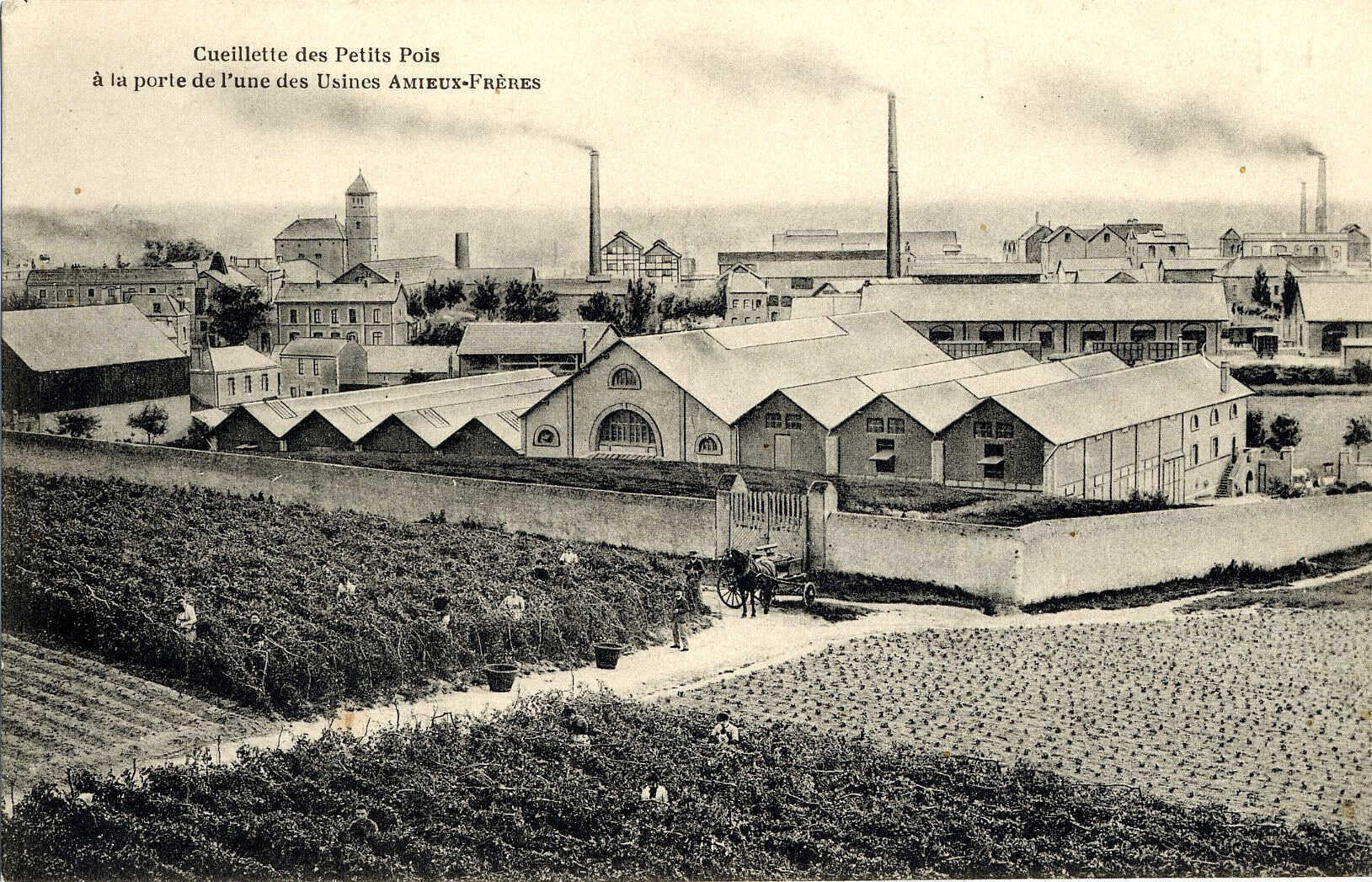
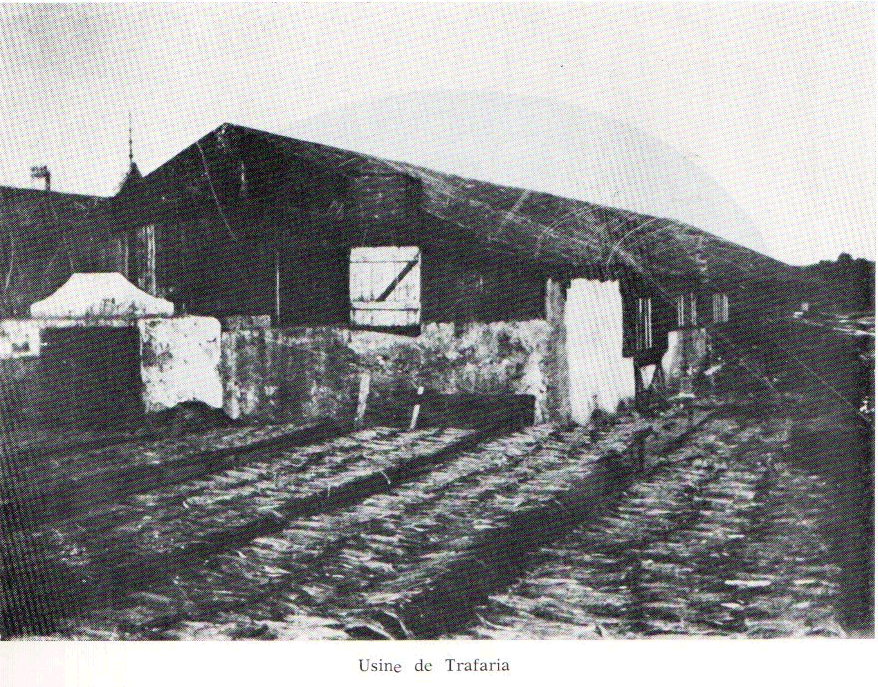
Trabalho sobre a indústria conserveira em Nantes e a sua deslocalização de produção para Portugal, bem como a contratação de “remplissage” no nosso país. Capítulo III – Instalação em Portugal Roger CORNU Phanette de BONAULT- CORNU LERSCO Université de Nantes – CNRS Groupement d`Intérêt Scientifique Financé par la Mission du Patrimoine Ethnologique 1989
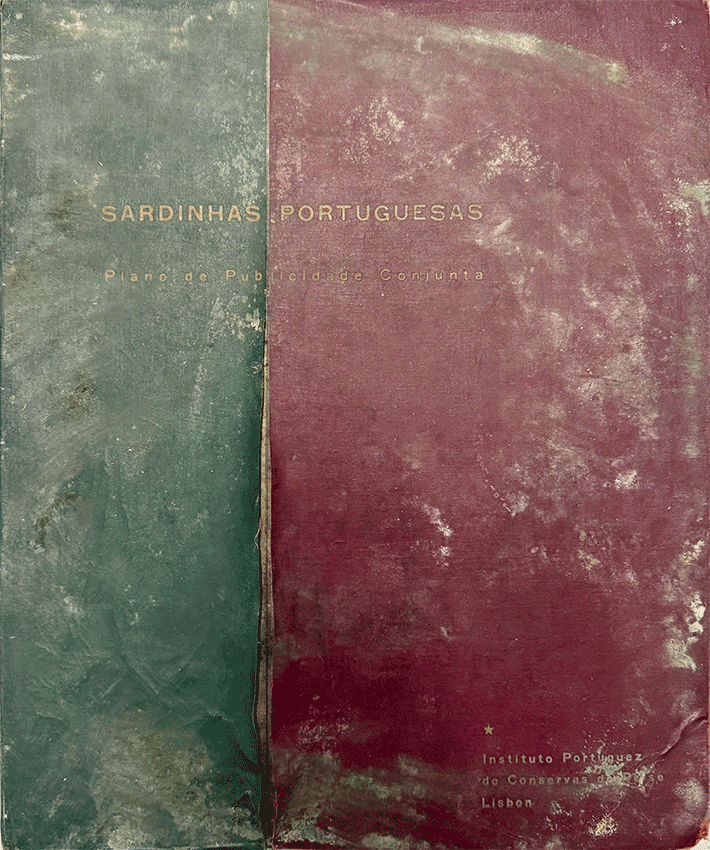
A proposta apresentada pela agência norte-americana N. W. Ayer & Son ao Instituto Português de Conservas de Peixe constitui mais do que um simples plano publicitário. Trata-se de um plano integrado de marketing para a promoção das Sardinhas Portuguesas no mercado norte-americano, assente numa investigação sobre o consumidor, os meios de comunicação, a distribuição comercial e os hábitos de consumo. A estratégia combina publicidade na imprensa, relações públicas, rádio, criação de receitas, fotografia gastronómica, promoção no ponto de venda, merchandising, formação do comércio e uma forte valorização da origem “Portuguese Sardines”. Através de uma campanha contínua e coordenada, procurava não apenas aumentar a notoriedade do produto, mas também educar o consumidor americano e criar uma associação entre Portugal e um produto alimentar de elevada qualidade. Pela sua abrangência e modernidade, este documento constitui um dos mais notáveis exemplos de planeamento de marketing internacional para um produto português na década de 1930.
MERLANT, Yves, « Les Conserveurs nantais au Portugal en 1886 », Bulletin de la Société archéologique et Historique de Nantes, année 1981, volume 117, p. 175-186.
A Assembleia da República através da Resolução n.º 88/2022, publicada a 26 de dezembro, consagra o dia 15 de novembro como o Dia Nacional das Conservas de Peixe.
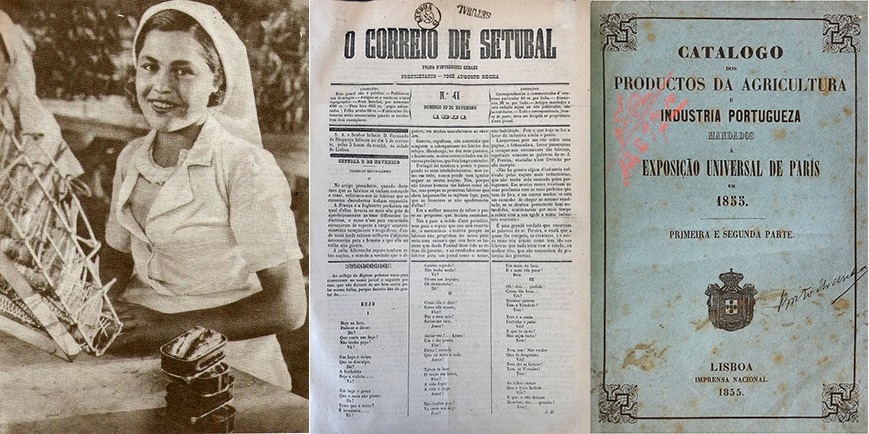
A escolha do dia 15 de novembro para assinalar a importância das conservas de peixe deve-se à atribuição, entregue ao industrial de Setúbal, Feliciano António da Rocha, aquando do encerramento da Exposição Universal de Paris de 1855, a primeira distinção a uma conserva portuguesa de peixe.
“Setúbal, comunque, non era nuova a questo genere di tentativi, anche se poi essi non avevano avuto alcun seguito: così, nel 1855, all’Esposizione Universal di Parigi erano state premiate le conserve di pesce sott’olio preparate con il processo Appert da F. A. da Rocha, e, dieci anni più tardi, un altro setubalense, certo M. J. Neto, aveva aperto un opificio specializzato nella produzione conserviera di pagelli, dentici e naselli, che venivano esportati principalmente in Brasile […] Vincenzo Floridi, 1968